Battery Fire Prevention
Batteries are one of the top causes of fires at Hartland Landfill.
Rechargeable lithium-ion batteries, found in phones, laptops, power tools and e-bikes, are the most common fire starters. While these batteries are safe when used and stored properly, they can become dangerous if thrown in household garbage or recycling.
At the landfill batteries can be crushed or punctured by heavy equipment, which can cause them to overheat and catch fire.
Fire prevention starts with you, and it’s easier than you might think.
- Drop all batteries off for free at the Hartland Depot.
- Use What Goes Where to search for other drop-off locations near you.
Battery Examples
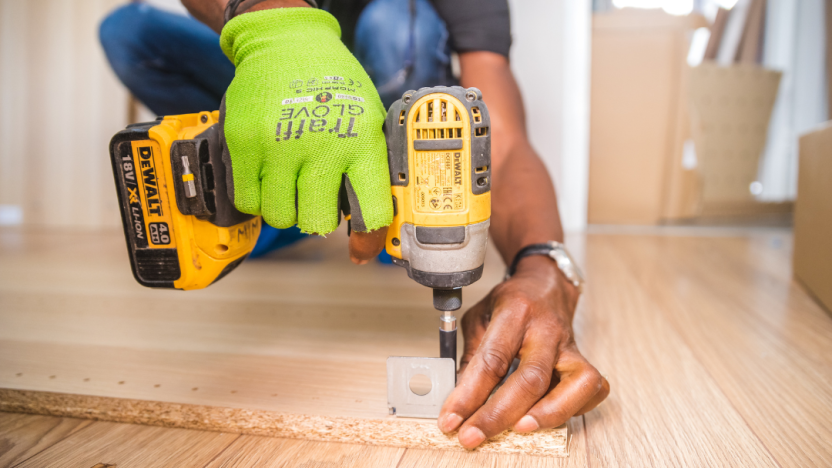
Battery packs in power tools like this drill.
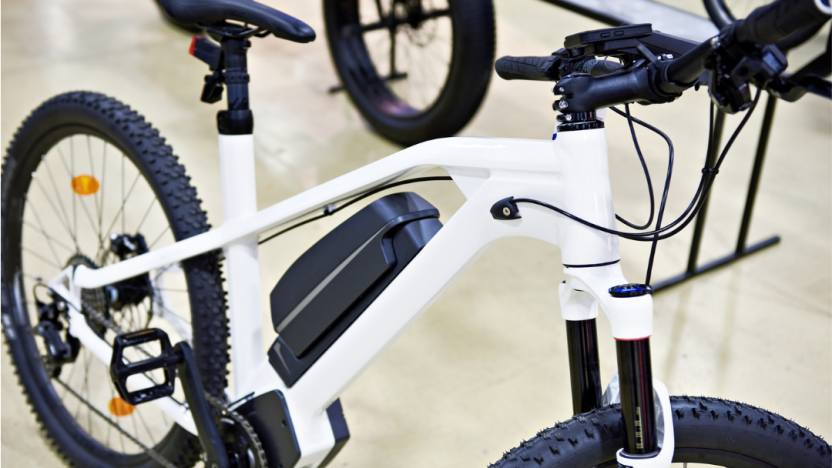
E-mobility batteries like this e-bike.

Personal electronics like cell phones and laptops.
Household Hazardous Waste (HHW)
HHW is any waste from your home that you consider to be dangerous or of which you are unsure. It includes any leftover household product that is marked flammable, corrosive, explosive or poison. Common examples are propane tanks, pesticides, varnishes, paints, chemical cleaners, and batteries.
If disposed of incorrectly, materials can cause fires in collection vehicles and at the landfill, harm aquatic life, destroy sensitive ecosystems and pollute recreational sites and water supplies.